How LED Aircraft Strobe Lights Improve Anti-Collision Safety in Flight Operations
- Naasco .
- Mar 25
- 4 min read

Updated: Apr 6
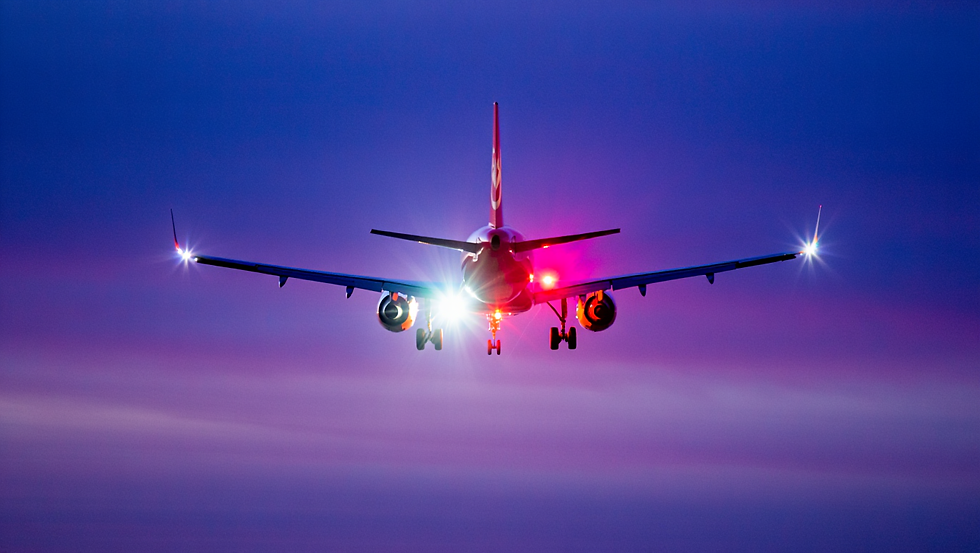
In aviation, visibility is not just a convenience, it is a fundamental layer of safety. Whether an aircraft is cruising at high altitude or preparing for landing in low-light conditions, being clearly seen by others in the sky is critical. This is where aircraft lighting systems play a vital role. Among them, strobe lights stand out as one of the most important components for preventing mid-air collisions.
With advancements in technology, LED aircraft strobe lights have become the preferred choice across modern fleets. They offer stronger illumination, better efficiency, and more reliable performance, all of which contribute to safer flight operations.
What Are Aircraft Strobe Lights?

Aircraft strobe lights are high-intensity flashing lights designed to make an aircraft visible from long distances. Typically mounted on the wings, tail, or fuselage, these lights emit bright, rhythmic flashes that alert nearby pilots to the aircraft’s presence.
Unlike navigation or aircraft landing lights, strobe lights are specifically used for anti-collision purposes. Their flashing pattern ensures that they stand out against other light sources, especially in crowded or low-visibility airspace.
The Evolution from Traditional Lighting to LED Technology
In earlier aviation systems, strobe lights relied on incandescent or HID (High-Intensity Discharge) technology. While effective at the time, these systems came with several limitations. They consumed more power, generated significant heat, and required frequent maintenance due to shorter lifespans.
The shift to LED technology marked a major improvement. LED aircraft strobe lights are more energy-efficient, durable, and consistent in performance. They provide brighter illumination without the drawbacks of older systems, making them a natural upgrade for both new and legacy aircraft.
How LED Aircraft Strobe Lights Enhance Anti-Collision Safety

1. Superior Brightness and Visibility
LED strobe lights produce intense, sharp flashes that can be seen from greater distances. This increased brightness ensures that aircraft remain visible even in challenging conditions such as fog, clouds, or nighttime operations.
2. Faster Response and Instant Illumination
Unlike traditional lighting systems that may require a brief warm-up period, aircraft LED strobe lights turn on instantly. This immediate response ensures that the aircraft is always visible without delay, improving reaction time for nearby pilots.
3. Wide Coverage and Consistent Flash Patterns
LED strobe lights offer uniform light distribution, making the aircraft visible from multiple angles. Their consistent flashing pattern helps pilots quickly recognize and track other aircraft in the vicinity.
4. Reduced Glare with Improved Precision
While LED aircraft strobe lights are extremely bright, they are also more controlled. This reduces unnecessary glare and ensures that the signal remains clear and easy to interpret, rather than overwhelming the viewer.
Key Benefits of LED Strobe Lights in Flight Operations
1. Better Visibility
Enhanced brightness and clarity make aircraft easier to spot in all flight conditions, reducing the risk of collisions.
2. Energy Efficient
LED aircraft strobe light systems consume significantly less power, helping optimize overall aircraft energy usage.
3. Long Lifespan
These lights last much longer than traditional options, reducing the need for frequent replacements.
4. Low Maintenance
With fewer failures and longer service intervals, maintenance requirements are greatly minimized.
5. Lightweight Design
LED components are typically lighter, contributing to improved fuel efficiency and overall aircraft performance.
6. Consistent Output
Aircraft LED strobe lights maintain stable brightness levels over time, ensuring reliable performance throughout their lifespan.
7. Weather Resistant
They perform well in extreme temperatures, moisture, and vibration, making them suitable for all environments.
8. Improved Safety
All these benefits combine to create a more dependable anti-collision system, enhancing overall flight safety.
Role in Regulatory Compliance and Safety Standards
Aircraft lighting systems must meet strict aviation safety regulations. LED aircraft strobe lights are designed to comply with these standards, ensuring that they provide adequate visibility and performance in all required conditions.
Regulatory bodies emphasize the importance of anti-collision lighting, especially for commercial and military aircraft operating in busy airspace. LED technology not only meets these requirements but often exceeds them, offering improved reliability and performance that align with modern safety expectations.
Choosing the Right LED Aircraft Strobe Lights
Selecting the right strobe lighting system involves several important considerations. Compatibility with the aircraft, certification standards, and durability are all key factors. It is also essential to choose products from trusted aviation parts suppliers known for quality and compliance.
Additionally, access to reliable repair and support services can make a significant difference in long-term performance. A well-supported lighting system ensures minimal downtime and consistent operation over time.
Conclusion
LED aircraft strobe lights may seem like a small component within a complex aviation system, but their impact on safety is substantial. By improving visibility, reducing delays in illumination, and offering consistent performance, they play a crucial role in preventing mid-air collisions.
As aviation continues to evolve, the adoption of LED lighting technology reflects a broader commitment to safety, efficiency, and reliability. Investing in advanced strobe lighting is not just a technical upgrade, it is a meaningful step toward safer skies for everyone in the air.
Upgrade your aircraft lighting with precision and reliability. NAASCO delivers FAA-approved LED aircraft strobe lights designed for superior safety and performance.


Comments